Why Crash Diets Fail and What to Do Instead for Lasting Weight Loss
You've seen the ads. Lose 10 pounds in 7 days. Drop two dress sizes before the weekend. Crash diets are everywhere — but science has a very different story to tell about where they actually lead.
Every year, millions of people turn to extreme calorie restriction hoping for a quick transformation. The appeal is obvious: fast results, a clear endpoint, a sense of control. But the harsh reality is that crash dieting is one of the most counterproductive things you can do to your body — and understanding why is the first step toward a smarter, more sustainable approach to weight loss.

Why Crash Diets Always Fail
Crash diets typically involve cutting calories to dangerously low levels — often below 800–1,000 calories per day. While the scale may dip in the short term, what's actually happening inside your body is far from encouraging.
Your Metabolism Slows Down
When you dramatically restrict food intake, your body interprets this as a famine. As a survival mechanism, it slows down your basal metabolic rate — the number of calories you burn at rest. This is called adaptive thermogenesis, and it means your body becomes more efficient at storing fat and burning fewer calories. Studies show that severe caloric restriction can reduce metabolism by 20–30%, making it progressively harder to lose weight even while eating very little.
You Lose Muscle, Not Just Fat
Without adequate protein and calories, your body begins breaking down muscle tissue for energy. Since muscle is the primary driver of your metabolic rate, losing it makes the metabolic slowdown even worse. After a crash diet, many people find they weigh less but have a higher body fat percentage — a dangerous phenomenon sometimes called "skinny fat."
Hormones Turn Against You
Crash dieting disrupts key appetite-regulating hormones. Leptin — the hormone that signals fullness — drops sharply. Meanwhile, ghrelin — the hunger hormone — surges. This hormonal imbalance creates intense, almost uncontrollable cravings. It's not a lack of willpower. Your body is literally fighting to get those calories back. This is why rebound weight gain after crash dieting is nearly universal, and it often results in gaining back more than was originally lost.

What Sustainable Weight Loss Actually Looks Like
The good news? Your body absolutely can lose fat — efficiently, consistently, and in a way that lasts — when you work with your biology instead of against it. Here's what the evidence actually supports.
- Create a Moderate Calorie Deficit Aim for a deficit of 300–500 calories per day below your maintenance level. This pace — roughly 0.5 to 1 lb of fat loss per week — is fast enough to see real progress while slow enough to preserve muscle, keep hormones balanced, and protect your metabolic rate.
- Prioritise Protein at Every Meal Protein is the cornerstone of sustainable fat loss. It preserves lean muscle during a deficit, keeps you feeling fuller for longer, and has the highest thermic effect of any macronutrient — meaning your body actually burns more calories digesting it. Target 1.6–2.2g of protein per kilogram of body weight daily.
- Build Your Routine Around Strength Training Resistance training is the single most powerful tool for protecting your metabolism during weight loss. Building and maintaining muscle keeps your metabolic rate elevated, reshapes your body composition, and creates a physique that looks and feels strong — not just lighter.
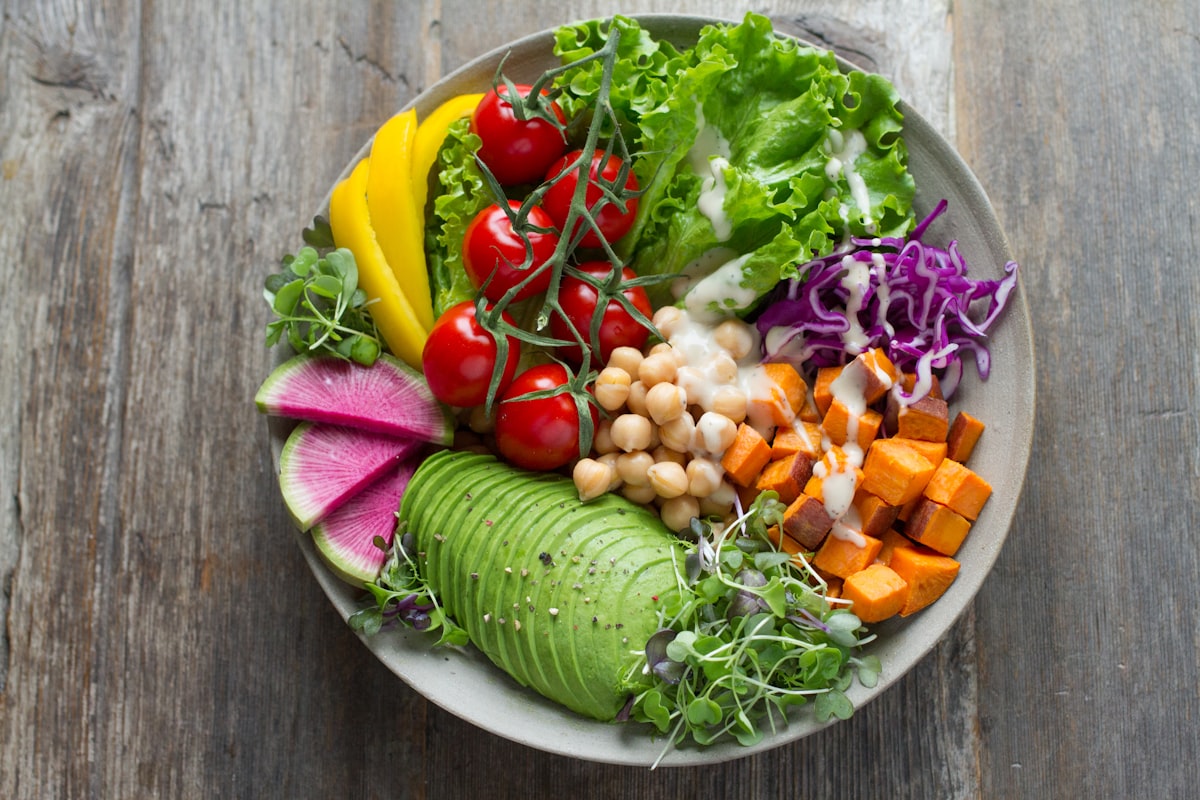
- Focus on Food Quality, Not Just Quantity Whole foods — vegetables, legumes, lean proteins, healthy fats, complex carbs — keep blood sugar stable, reduce inflammation, and support gut health. These factors all influence how your body manages weight and energy over the long term.
- Address Sleep and Stress Chronic sleep deprivation and high cortisol levels are among the most underrated drivers of weight gain. Poor sleep elevates ghrelin, reduces leptin, and impairs the body's ability to burn fat. Seven to nine hours of quality sleep per night is non-negotiable for sustainable results.
Repairing Metabolism After Crash Dieting
If you've been through multiple rounds of crash dieting, your metabolism may need some time to recover. This process — called metabolic rehabilitation — involves gradually increasing calorie intake back toward maintenance, rebuilding lean muscle through resistance training, and establishing consistent sleep and stress-management routines.
It can feel counterintuitive to eat more when your goal is to lose weight, but this period of restoration is essential. Trying to aggressively diet on a suppressed metabolism will only deepen the problem. Patience here pays enormous dividends later. Many people find that after a 4–8 week period of eating at or slightly above maintenance, their body begins to respond to a moderate deficit far more effectively than it ever did during crash dieting.
The Mindset Shift That Changes Everything
Lasting weight loss is never about suffering through a plan until a deadline. It's about building a lifestyle that your body and mind can sustain indefinitely. That means finding movement you genuinely enjoy, eating food that nourishes and satisfies you, and releasing the all-or-nothing thinking that makes crash dieting feel necessary in the first place.
At AqvaSculpt, we believe the most powerful transformation happens when you stop fighting your body and start supporting it. Progress that's slow enough to be maintained is infinitely more valuable than rapid results that evaporate — along with your muscle mass, your mood, and your metabolic health.
The question was never whether you have the willpower to starve. The real question is whether you're ready to build a body that thrives. And the answer to that starts with ditching the crash diet for good.
Ready for Real, Lasting Results?
Discover science-backed programmes designed to work with your body — not against it. AqvaSculpt helps you lose fat, protect muscle, and build a lifestyle that actually sticks.
Explore AqvaSculpt →